
Stephie Noticed What Many of Us Miss
Stephie had a way of listening that most people only

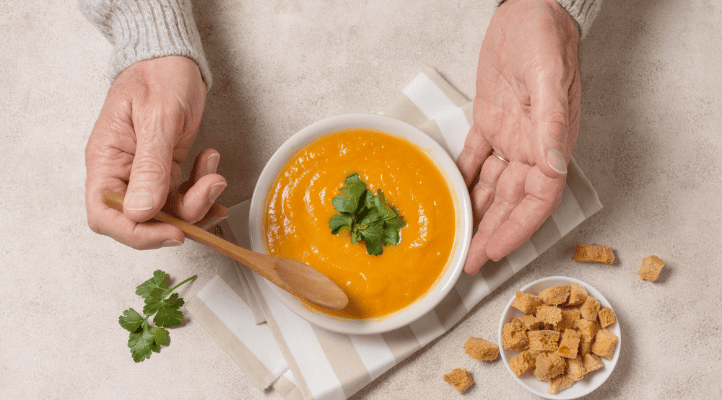
Recovering from a stroke requires careful attention to diet, especially when swallowing difficulties (dysphagia) are present. Healthy meals for stroke victims must balance nutrition, safety, and dignity. Texture‑modified foods, prepared to IDDSI standards, provide a practical solution ensuring meals remain nourishing, enjoyable, and safe to consume.
Texture modified foods can play an important role in supporting people recovering from a stroke, particularly when swallowing difficulties are present.
After a stroke, healthcare professionals may recommend dietary changes to support overall wellbeing. While nutritious foods such as vegetables, fruits, whole grains, dairy, and lean proteins are commonly encouraged, some individuals may find these foods difficult to chew or swallow. This is where texture modified meals can provide a practical and nutritious solution.
Every person’s recovery journey is different. Meal choices should always align with the recommendations of a doctor, speech pathologist, dietitian, or healthcare professional.
In many cases, a balanced diet rich in vegetables, fruit, whole grains, lean protein, and healthy fats can help support health and wellbeing throughout recovery.
Nutrient‑rich vegetables are vital for recovery. Dark greens and deep orange vegetables such as peas, broccoli, spinach, carrots, and beans are excellent sources of vitamins and minerals. Potatoes and zucchini, rich in potassium, also support heart health.
For stroke victims with dysphagia, pureed or texture‑modified vegetables are the safest option. Ready‑to‑eat meals save preparation time and ensure consistency, making them ideal for carers and patients alike.
Fresh fruit provides vitamins, fibre, and potassium, supporting cardiovascular health. Bananas, apples, apricots, oranges, and melons are excellent choices. However, swallowing difficulties may make whole fruit challenging. Pureed and texture‑modified fruit options allow stroke victims to enjoy the benefits of fruit safely, without losing nutritional value.
Protein supports muscle repair and overall recovery. Lean meats such as poultry and fish are recommended, along with nuts and seeds (where allergies are not a concern). Red meats and processed fats should be limited, as they often contain unwanted saturated fats. Texture‑modified meals prepared with reduced fat ensure protein remains accessible and safe for those with dysphagia.
Dairy provides calcium and protein but can be high in fat. Low‑fat and fat‑free options including skim milk, yoghurt, and reduced‑fat cheese are widely available. These alternatives support bone strength and recovery while keeping fat intake under control.
Cholesterol is a naturally occurring substance that the body needs to function. However, excessive intake of foods high in saturated fats may contribute to elevated cholesterol levels in some people.
Healthcare professionals may recommend limiting foods high in saturated and trans fats as part of a heart-healthy eating pattern. This can be particularly important for individuals who have experienced cardiovascular events, including stroke.
Foods such as fatty meats, full-fat dairy products, butter, and highly processed foods are often recommended in moderation. Instead, many people choose lean proteins, vegetables, fruits, whole grains, and healthy fats as part of a balanced approach to nutrition.
Simple food substitutions can help support healthier eating habits.
Reduced-fat dairy products, lean cuts of meat, skinless poultry, and plant-based oils are often preferred alternatives to foods high in saturated fat.
Trans fats are commonly found in some highly processed foods, including certain baked goods, fried foods, and packaged snacks. Reading nutrition labels can help identify products that contain hydrogenated oils or higher levels of trans fats.
Choosing baked, grilled, steamed, or boiled foods instead of deep-fried options may also support healthier eating habits.
While occasional treats can still be enjoyed, focusing on nutrient-rich foods can contribute to better long-term health outcomes.
Healthy food choices are important, but for people living with dysphagia, food texture is equally important.
The International Dysphagia Diet Standardisation Initiative (IDDSI) provides a globally recognised framework used to classify food textures and drink thickness levels. Healthcare professionals use this framework to help determine which textures are most suitable for individuals experiencing swallowing difficulties.
The IDDSI Framework uses a series of levels to describe foods and drinks, helping individuals, carers, and healthcare providers make informed decisions about texture modified meals.
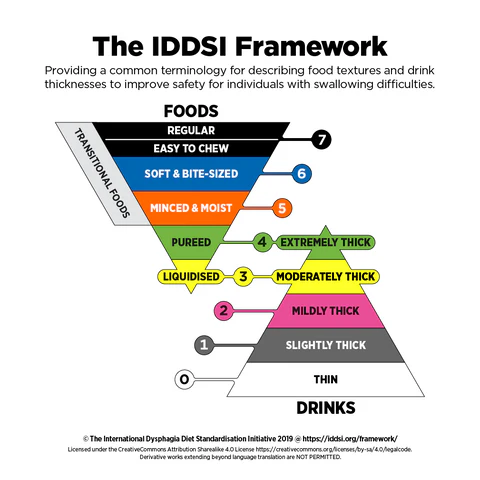
This standardised approach supports safer eating and drinking while helping maintain nutrition and enjoyment at mealtimes.
A balanced diet that includes adequate fibre may contribute to overall cardiovascular health and digestive wellbeing.
Foods such as fruits, vegetables, legumes, whole grains, and cereals can help increase dietary fibre intake. Whole grain breads, oats, brown rice, and wholemeal pasta are popular choices for many Australians looking to improve the nutritional quality of their meals.
When texture modification is required, many of these ingredients can still be incorporated into meals in ways that align with an individual’s prescribed texture level.
As dietary needs vary, it is important to follow advice provided by healthcare professionals regarding suitable food choices.
Many processed foods contain added sodium, sugar, and other ingredients that may contribute to excess consumption when eaten regularly.
Sodium is commonly used as a preservative and flavour enhancer in packaged foods. While sodium is an essential nutrient, excessive intake may not be appropriate for everyone. Choosing fresh ingredients and checking nutrition labels can help individuals manage their sodium intake more effectively.
Similarly, foods high in added sugars may contribute excess kilojoules without providing significant nutritional value. Selecting products with lower added sugar content can support healthier eating habits.
Herbs, spices, and natural flavourings can be excellent alternatives for enhancing flavour without relying heavily on added salt or sugar.
Recovering from a stroke often involves changes to both lifestyle and eating habits. While these adjustments may take time, good nutrition remains an important part of supporting overall health, wellbeing, and quality of life.
For individuals living with dysphagia, texture modified foods can help make mealtimes safer, more comfortable, and more enjoyable. The goal is not simply to meet nutritional requirements, but to continue enjoying food and the meaningful moments that come with it.
At Stephies Choice Australia, we believe that every meal should provide nourishment, dignity, and enjoyment. By choosing nutritious foods that align with individual needs and professional advice, stroke survivors can focus on recovery while continuing to enjoy the foods and experiences that matter most.
Stephie had a way of listening that most people only

In our last post, we shared a small story about

There’s a kind of attention most of us have lost
Pureed meals are an essential part of recovery following bariatric surgery.
Post‑surgery pureed food for adults refers to IDDSI‑compliant, texture‑modified nutrition specifically crafted for individuals